Daisy USA Flag 4th of July
A Fresh, Friendly Take on Patriotic Embroidery
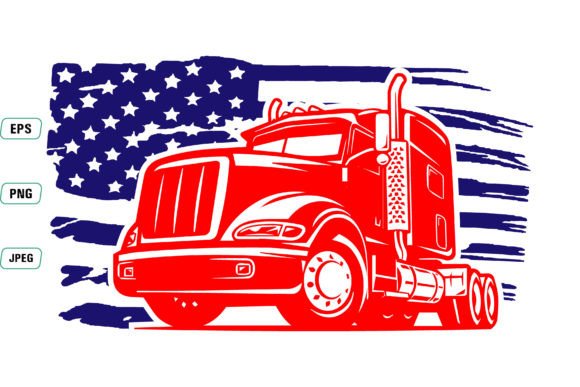
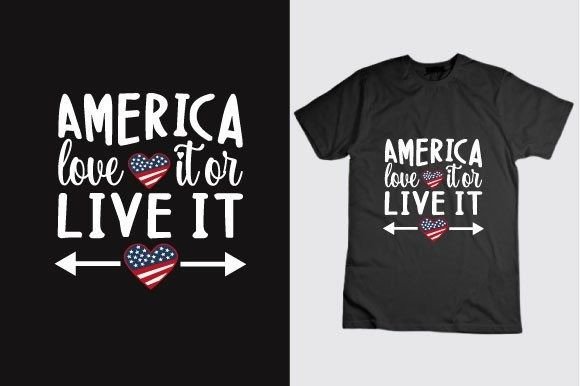
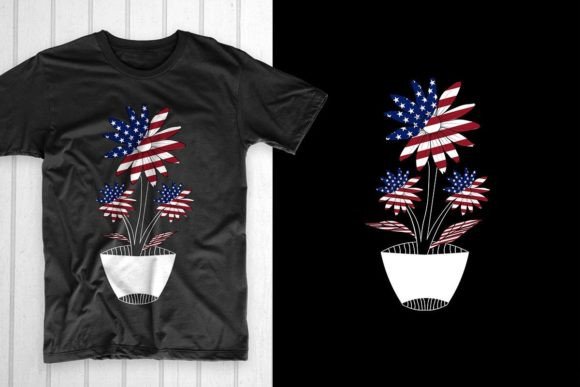
When I first opened the Daisy USA Flag 4th of July file for a client’s custom embroidered tote bag—meant for a local farmers’ market booth—I paused. Not because it was complicated, but because it *felt* intentional: soft daisy petals framing a clean, centered flag motif, with gentle curves and open negative space. It doesn’t shout “fireworks and fanfare.” Instead, it whispers “backyard picnic, handmade pride, quiet celebration.” That tone matters—especially if you’re stitching for baby onesies, linen tea towels, or boutique aprons where subtlety reads as craftsmanship, not compromise.
Where This Design Naturally Lands (and Why)
Daisy USA Flag 4th of July fits best in projects where patriotism meets personality—not parade floats, but porch swings. I used it last week on a lightweight cotton sweatshirt for a small-town craft fair. The daisies softened the flag’s formality; customers responded to how “real” it felt—not clip-art, not corporate, but like something stitched by hand, even when machine-embroidered. It works beautifully on:
- Tote bags (medium-weight canvas, medium hoop size)
- Linen or cotton tea towels (light stabilizer, low stitch density)
- Baby bodysuits (small-scale version, simplified petal count)
- Embroidered patches (ideal for iron-on backing or sewn-on accent)
- Pillow covers and nursery decor (pairs well with gingham or denim backgrounds)
It’s less suited for dense, high-detail applications like full-sleeve embroidery or complex layered applique—this isn’t a design built for heavy fill-stitch coverage or intricate satin-stitch borders. Its strength is clarity, rhythm, and breathable composition.
Real-World Embroidery Behavior: What You’ll Actually See on Fabric
In practice, Daisy USA Flag 4th of July holds up well across common substrates—but only if you respect its structure. On a textured sweatshirt fabric, the daisy outlines stayed crisp thanks to moderate stitch spacing and minimal underlay. On a thin cotton t-shirt, however, I added tear-away + cut-away hybrid stabilizer to prevent puckering around the flag’s star field. No surprises there—but what stood out was how forgiving the design felt during hooping: generous margins, no tight corners or micro-details that vanish at 3x scale.
That said, avoid using it on highly stretchy knits without proper stabilization—or on curved surfaces like baseball caps—unless you’ve tested the layout in your cap frame first. The flag’s horizontal orientation and balanced width make it cap-unfriendly without modification. And while it’s labeled as a T-Shirt Designs asset, remember: it’s a Graphics file first. If you’re converting it for machine embroidery, confirm whether the SVG includes stitch-ready paths or requires digitizing adjustments for thread jumps, trims, or color changes.
What It Adds (and Doesn’t Add) to Your Finished Product
This design elevates handmade presentation without demanding perfection. On an Etsy listing for personalized holiday gifts, it gave the product instant warmth—customers commented on how “sweet” and “not too loud” it looked in mockups. That perception directly supports brand consistency for small shops leaning into cottage-core, Americana, or minimalist patriotic themes.
But let’s be clear: Daisy USA Flag 4th of July won’t carry your entire product line. It’s not a standalone logo system or scalable branding suite. It’s one thoughtful, seasonal design asset—best deployed intentionally, not exhaustively. Used across three coordinated items (e.g., a tote, a tea towel, and a baby bib), it builds cohesion. Used on ten unrelated products? It starts to feel repetitive, not resonant.
Practical Designer Notes Before You Stitch
Before committing to a batch run or listing this as part of your craft business inventory, do these six things:
- Test on scrap fabric—especially if using dark thread on light fabric or vice versa. The daisy’s outline relies on contrast to read clearly.
- Review stitch density in your embroidery software. If it’s over 12,000 stitches, consider simplifying petal layers for baby items or lightweight garments.
- Confirm hoop size compatibility. The original layout likely assumes a 4x4 or 5x7 hoop—double-check before scaling for larger tote placements.
- Inspect small details at 200% zoom: Are star points sharp? Do petal tips taper cleanly, or do they end in awkward stops?
- Test black-and-white mockups to assess silhouette strength. If the flag blends into background texture, add subtle outline stitching in your digitizing step.
- Verify licensing—especially if selling finished embroidered items commercially. Since Daisy USA Flag 4th of July is marketed for t-shirts, mugs, and decals, confirm whether resale of physical products is permitted without additional fees or attribution.
Final Thought: A Design That Serves the Maker
Daisy USA Flag 4th of July isn’t flashy—but then again, neither is most meaningful handmade work. It’s the kind of embroidery file that makes sense for a Saturday morning stitching session, a small-batch Etsy restock, or a personalized gift that feels both timely and timeless. It respects the fabric it lands on, the machine it runs on, and the person wearing or gifting it. For embroidery designers and creative entrepreneurs who value clarity over clutter, this one earns its place in the seasonal rotation—not as filler, but as foundation.